Loading...
Serving Norwalk, OH and surrounding areas. (419) 554-7005
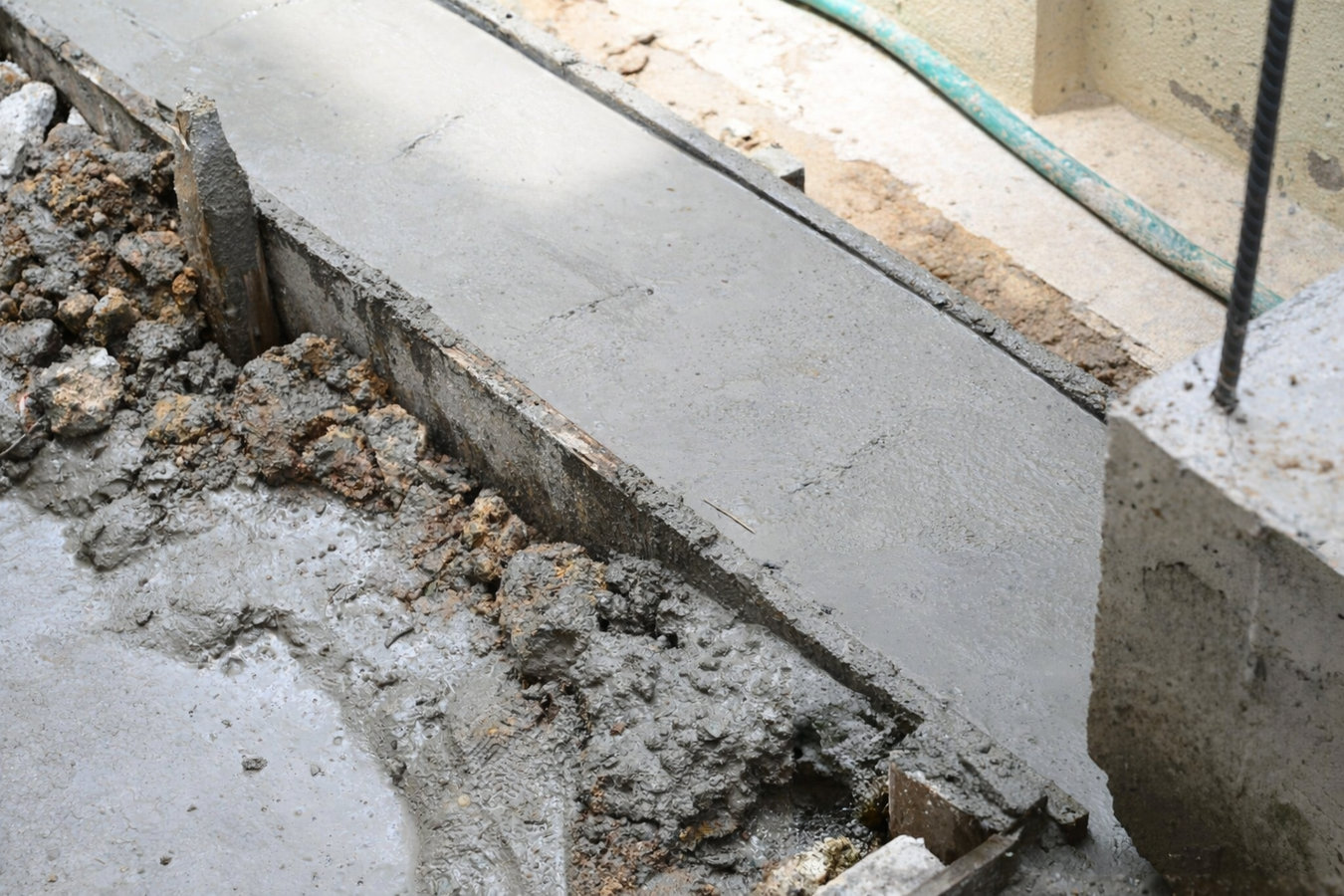
A sunken driveway, tilted sidewalk, or wobbling step is a trip hazard and a sign of soil movement underneath. We lift it back into place - fast, clean, and at a fraction of replacement cost.
Foundation raising in Norwalk, OH lifts sunken or uneven concrete slabs back to their original level position by pumping material beneath them to fill voids - most residential jobs are completed in two to eight hours and you can walk on the surface the same day.
If you have a driveway that dips toward your garage, a front stoop that has pulled away from the house, or a sidewalk panel that rocks when you step on it, those are all signs that soil has shifted or washed away underneath. Norwalk's clay-heavy soils and repeat freeze-thaw cycles make this one of the most common concrete problems in the area. Foundation raising costs two to three times less than full replacement, and when the slab itself is still sound, lifting is almost always the smarter call. If you are also dealing with cracked or settled concrete steps, our concrete cutting service can help with sections that need to be removed before lifting or repair.
If your concrete is past the point where lifting will hold, we also handle full slab foundation building so you have a clear path forward either way.
If a section of your driveway or garage floor shifts slightly when you step on it, a void is forming underneath. This often becomes noticeable in late spring after Norwalk's ground has thawed and settled. A rocking slab will not self-correct and will only get worse through the next freeze cycle.
Walk the perimeter of your driveway, sidewalk, or front stoop and look for gaps where concrete used to sit flush against your home, a step, or the street curb. Even a half-inch gap is worth having evaluated - it will not close on its own and will widen with every winter.
Norwalk's clay soils drain slowly, and a sunken slab near your house can create a low spot that directs rainwater toward your foundation rather than away from it. Standing water near your home after spring rain is a warning sign worth investigating before it causes basement moisture problems.
Diagonal cracks that are wider on one end than the other often mean one corner of a slab has dropped while the rest stayed in place. If the crack is wide enough to catch your finger, or if the two sides are at different heights, the slab has likely sunk and should be assessed before another winter makes it worse.
We assess each job before we start - looking at the slab condition, the size of the void, and the likely cause of the sinking. From there we select the right method: traditional mudjacking pumps a cement-and-soil mixture beneath the slab to fill voids and push the concrete back up, while foam injection uses expanding polyurethane that hardens quickly and weighs far less. Both methods work through small drilled holes that are patched after the lift. If the assessment shows that a full removal is needed first, our concrete cutting crew can handle the clean removal so the new base is solid.
Beyond lifting, we look at what caused the sinking in the first place. In Norwalk's Lake Erie lake plain soils, water and drainage are almost always part of the story. A slab that gets lifted without addressing drainage will sink again. That is why we discuss grading and water flow with every customer before the job is done. If the slab is too far gone to lift effectively, we will tell you honestly - and our slab foundation building service is a natural next step.
Best suited for larger slabs with significant voids where a heavy, stable fill material is needed to restore bearing capacity.
Ideal for areas prone to repeated moisture exposure where a lightweight, water-resistant material will outlast a cement-based mixture.
For homeowners with dipping or rocking driveway panels who want the surface level and safe without tearing out perfectly good concrete.
For front entries, walkways, and steps that have settled away from the house and now pose a tripping hazard or direct water toward the foundation.
Norwalk sits within the Lake Erie lake plain, a region defined by fine-grained, clay-heavy soils left by glacial activity. Clay soil swells when wet and shrinks when it dries - a cycle that repeats every season and steadily undermines concrete slabs from below. On top of that, northern Ohio's winters bring repeated freeze-thaw cycles where the ground can freeze and thaw multiple times in a single week. Every freeze pushes soil and water against your concrete; every thaw creates new gaps beneath it. Homes built before 1980 have had decades of this working against their driveways, sidewalks, and garage floors. Customers in Norwalk and the surrounding area see these problems show up more in spring, after a winter's worth of movement has settled.
Late March through May is the busiest season for foundation raising calls in northern Ohio, and Norwalk contractors fill up quickly once the ground thaws. If you notice a problem in fall, scheduling before the ground freezes - or getting on an early spring list - saves you weeks of waiting and prevents another winter from making the void larger. Homeowners in Fremont and nearby communities deal with the same clay soil conditions and often reach us for the same reason. Foundation raising in this area is not a sign of a poorly built home - it is simply what happens to concrete on Ohio's northern plain over time.
Call or fill out our contact form and we will reply within one business day. We ask a few basic questions - what kind of slab, how much has it shifted, any water issues nearby - so we come prepared.
We walk the area with you, check how much the slab has dropped, look at cracks, and assess the likely cause. We also look at drainage - because if water is the root cause, lifting alone will not solve the problem long-term.
The crew drills small holes through the slab, injects the lifting material, and monitors the slab as it rises back into position. Most residential jobs finish in a few hours and you do not need to leave.
Drilled holes are patched with concrete filler and the area is swept clean. You can walk on the surface the same day. Wait at least 24 hours before driving on a lifted driveway.
Written estimate before any work starts. No pressure, no surprises.
(419) 554-7005Every foundation raising job starts with an honest assessment of what caused the sinking - not just where the slab ended up. In Norwalk's clay soils, water and drainage are almost always part of the answer, and a lift that skips the diagnosis will need to be repeated.
You receive a written estimate before any work begins, and that number does not change unless the scope changes - and if it does, we tell you first. Norwalk homeowners have told us the thing they dread most about hiring a contractor is not knowing what the final bill will be.
We have been working in Huron County long enough to know how the Lake Erie lake plain soils behave across seasons. That local knowledge shapes every recommendation we make - from timing the job to choosing the right lifting method for wet clay conditions.American Concrete Institute standards guide our material and technique choices on every job.
If your slab is too deteriorated to lift effectively, we will tell you that clearly during the estimate - not after the crew has started. Replacement costs more, and we only recommend it when lifting genuinely will not hold for your specific slab.
Every proof point above comes back to one thing: we treat Norwalk homeowners the way we would want to be treated if we hired a contractor ourselves. Straight answers, written numbers, and work that holds through northern Ohio winters.
Precise removal of damaged slab sections before lifting or replacement - clean cuts that protect surrounding concrete.
Learn MoreWhen lifting is no longer the right call, we pour a new slab foundation built to hold up through Norwalk's freeze-thaw seasons.
Learn MoreNorwalk contractors fill up quickly once the ground thaws. Call today to lock in your date and stop that sunken slab from getting worse over winter.